
Sometimes your credit score is lower than you deserve. You work hard, you pay most of your bills on time, but when you try to get a mortgage or a car loan, suddenly you find out that your interest rate is higher than what was advertised, or worse, that your loan is denied. It doesn’t seem fair that so much of life’s enjoyment depends on a number!
U.S. Credit Defense is here to help.
We are Experts In Debt Resolution.
No matter what the reason: loss of job, loss of income, unexpected medical bills, costly divorce, or any other reason- there is no need to panic.
US Credit Defense could be all you need to get the help you want with your credit card debt and start your debt-free journey.
We get to work negotiating with your creditors on your behalf to drastically reduce your total debt.
There is no better feeling than living a debt-free life, and we take pride in giving people the opportunity to improve their financial futures.
Here's what some of U.S. Credit
Defense's clients are saying:
How does it work?




Our goal is to improve your credit report by removing negative items deemed to be inaccurate, unverifiable and/or untimely. Damages may include:
U.S Credit Defense is a Miami Credit Repair group who assists our clients in deleting and/or repairing derogatory items on their credit report that are not accurate, verifiable and/or timely. Using our time tested system; our clients have successfully saved thousands of dollars through the refinancing of their homes, auto loans, credit card and other consumer and business debt. As a credit repair group in Miami, we’ve been able to help hundreds of people restore their credit scores.
Established in 2010, U.S. Credit Defense is located in Coral Gables, Florida and services clients throughout the United States. U.S. Credit Defense engages in a hands-on approach through innovative credit repair solutions and tactics after derogatory items have already appeared on your credit report as well as providing educational materials and tools, which may prevent future derogatory items from appearing. Our goal is to empower you through knowledge and training to take control of your financial health.
We go the extra mile to help you achieve your financial freedom.
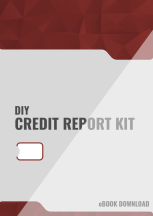
DO-IT-YOURSELF CREDIT REPAIR KIT
plus a free credit consultation